A Calling to Lead
Rooted in faith, guided by purpose and committed to service, Harris brings a vision shaped by calling and community
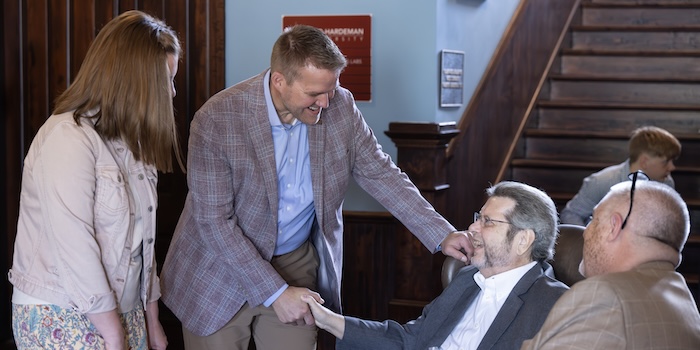
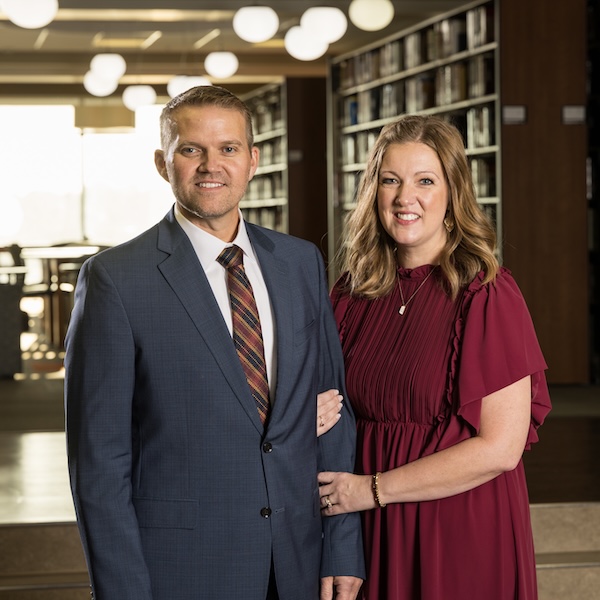
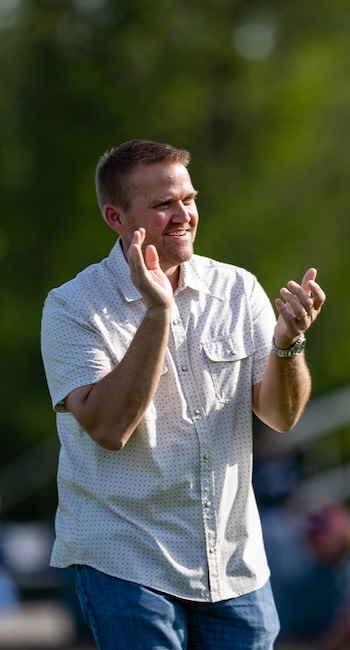
When Keith Harris began his role as the 17th president of Freed-Hardeman University June 1, he did so with a posture rooted in purpose. He brings with him a listening ear, a servant’s heart and a deep sense of calling to lead an institution and, more importantly, a community of faith.
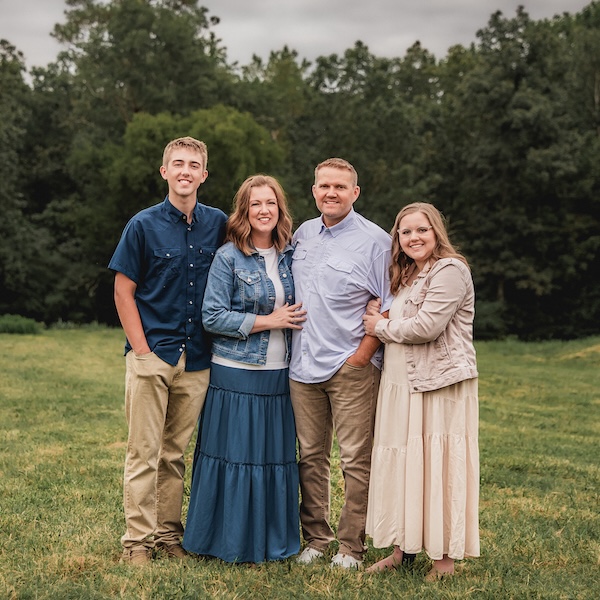
“For our family, this is more than a professional transition — it’s a shared calling,” Harris said. “It’s something we’re walking through together.”
That sense of togetherness has shaped every step of the journey for Harris and his family, from the earliest moments of consideration to the decision to say yes. “There wasn’t a single dramatic moment,” he said. “It was more of a steady clarity that grew over time.”
That clarity, he said, was grounded in prayer, strengthened by the support of a mission-focused board and sustained by a deep trust in God’s guidance.
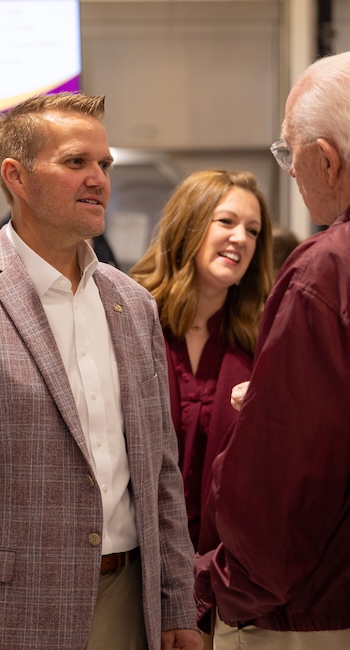
A LEADER FOR A PURPOSE-DRIVEN PLACE
Freed-Hardeman, Harris said, is unlike any place he has experienced. “What excites me most is the opportunity to invest in students at such a formative stage of life — to help shape not just their education, but their faith and sense of purpose.”
But alongside that excitement comes a profound sense of responsibility. “This institution represents the prayers, sacrifices and faith of many people over generations,” he said. “To be entrusted with that legacy is something I don’t take lightly.”
That balance of vision and humility sits at the core of how Harris approaches leadership. He describes his style in three words: intentional, relational and steady. Those qualities have been shaped over time through both success and failure, through learning to listen more than speak, and through understanding that leadership is not about control but about consistency, presence and trust.
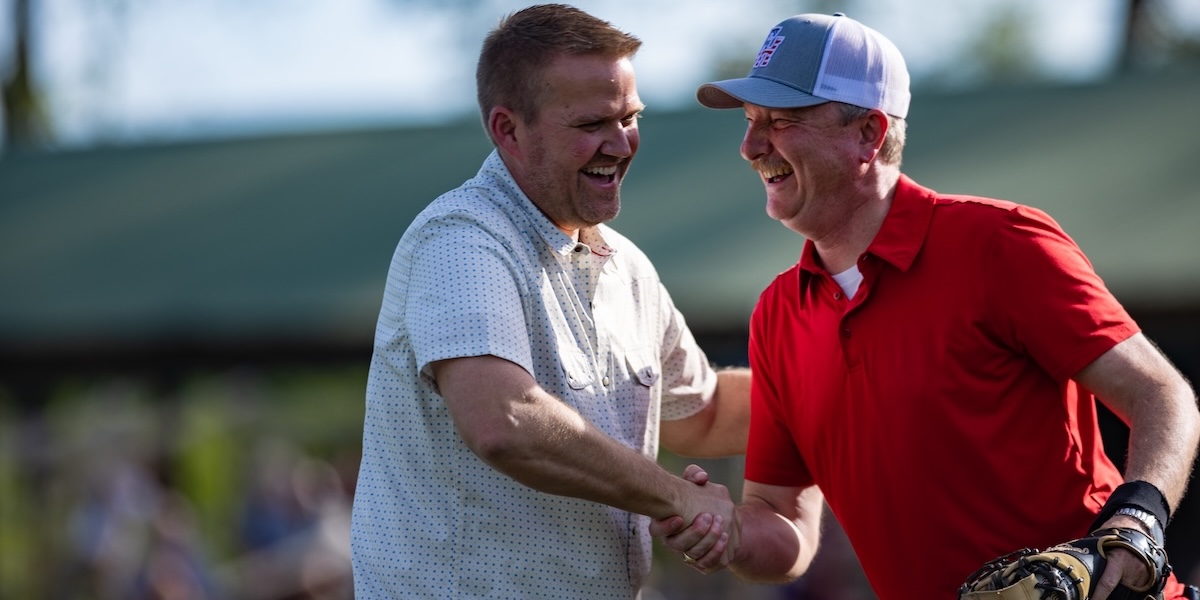
FAITH AT THE CENTER
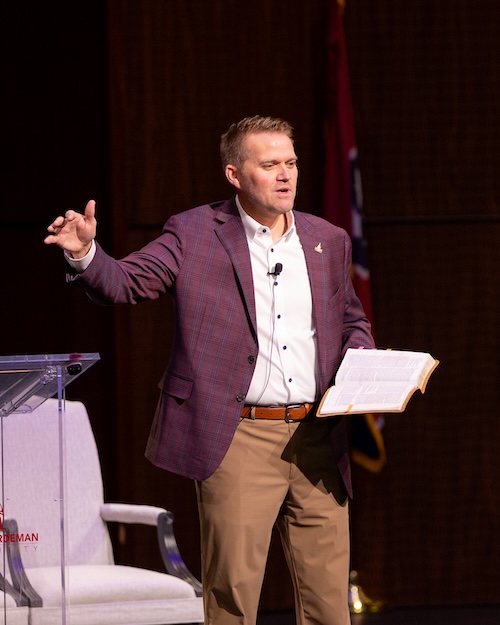
At a place like Freed-Hardeman, faith is the foundation of sound leadership. “My faith doesn’t just inform my decisions,” Harris said. “It frames them.”
That perspective shapes not only what decisions are made, but how they are made — with humility, prayer and a deep awareness of responsibility to God and to others.
In moments of pressure or uncertainty, Harris turns to scripture for grounding and direction. Passages like James 1:5 and Proverbs 3:5-6 remind him to seek wisdom beyond himself, while John 14 offers reassurance in seasons of unknowns.
“We can move forward in confidence,” he said, “knowing that God holds our future.”
That confidence is central to how he understands his role at a university where faith is not simply present, but central. “It shapes everything,” he said. “How we teach, how we build community, how we define success.”
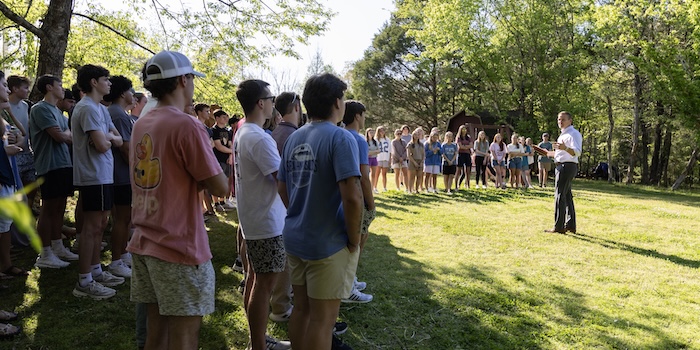
A HEART FOR STUDENTS
At the center of his vision is a simple but powerful priority: students. He believes today’s college students are often misunderstood — not for a lack of depth, but for how deeply they are searching.
“They’re asking questions about purpose, identity and belonging,” he said. “What they need is guidance, authenticity and people who will invest in them with patience and understanding.”
He and his wife, Lindsey, are intentional about meeting students where they are by showing up at practices, rehearsals and campus events, and creating spaces where students feel at ease. “We hope students feel at home,” he said. “Seen, valued and encouraged.”
That sense of belonging, he believes, is essential, not only for academic growth but for spiritual formation.
LEADING AS A FAMILY
For the Harris family, this new season is a professional shift as well as a shared ministry.
Lindsey Harris sees her role as one of steady support, both for her husband and for the broader campus community. “This is such a meaningful season for our family,” she said. “I’m excited to come alongside both Keith and the Freed-Hardeman community.”
Their children, Kade and Zoe, are also part of that journey. One is currently attending Freed-Hardeman and the other is preparing to soon begin. That reality brings a deeply personal perspective to his leadership. “This isn’t just where I serve — it’s where my children are being shaped,” he said.
It has also sharpened his understanding of what matters most. “The small things matter,” he said. “The way people engage, the sense of belonging students feel. Every decision touches real lives.”
LOOKING AHEAD
As he prepares to step into the presidency, Harris defines success not just in outcomes, but in culture. “A successful first year means that trust is growing,” he said. “That people sense stability, clarity and shared direction.”
More than anything, he hopes to cultivate a campus environment where faith is truly lived. A place marked by unity, purpose, integrity and belonging.
And when his time at Freed-Hardeman is complete, his hope is simple. “I would hope people would say that I was faithful — that I led with integrity, cared for people well and stayed true to the mission.”